
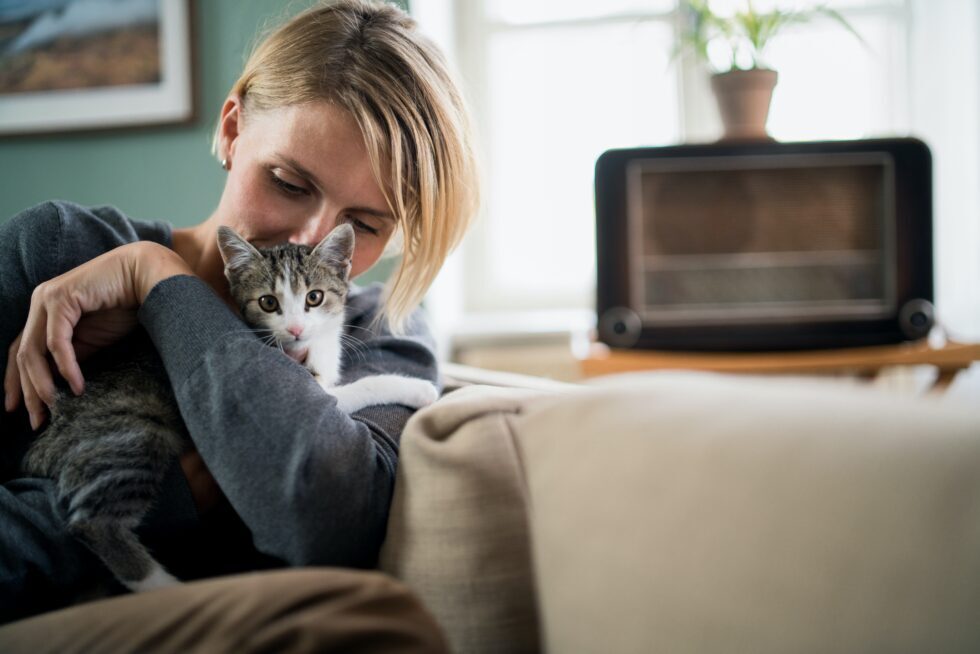
In-home pet euthanasia offers families a gentle and compassionate way to say goodbye to a beloved companion in familiar surroundings. For many pet owners, choosing to remain at home allows pets to feel safe, relaxed, and surrounded by the people they love most during their final moments. This approach provides comfort and privacy while helping families create a peaceful and meaningful farewell.
Facing end-of-life decisions is never easy, but understanding how in-home pet euthanasia works can make the process less overwhelming. Knowing what to expect helps families prepare emotionally and ensures that their pet’s comfort and dignity remain the highest priorities.
What Is In-Home Pet Euthanasia?
In-home pet euthanasia in Fort Collins is a veterinary service that allows pets to be humanely and peacefully euthanized in the comfort of their own home. Rather than traveling to a clinic, a veterinarian visits the home and performs the procedure in a calm and familiar environment.
This option allows pets to avoid the stress and anxiety that can sometimes come with car rides and unfamiliar settings. Families also benefit from having more privacy and flexibility to say goodbye in a way that feels right for them.
Why Families Choose In-Home Pet Euthanasia
Many pet owners choose in-home pet euthanasia because it creates a more personal and comforting experience. Pets can remain in their favorite spot, surrounded by familiar sights, sounds, and loved ones, which helps reduce stress and fear.
For families, being at home allows them to spend quiet moments together without feeling rushed. It also provides an opportunity to create a peaceful atmosphere that honors the bond they shared with their pet.
Some of the benefits include:
- Familiar surroundings for the pet
- Less stress and anxiety
- Greater privacy for families
- A more personal goodbye
Signs That It May Be Time to Consider In-Home Pet Euthanasia
Determining the right time can be one of the most difficult parts of caring for an aging or seriously ill pet. Although every situation is different, certain signs may indicate that a pet’s quality of life has declined significantly.
Common signs include:
- Difficulty standing or walking
- Ongoing pain or discomfort
- Loss of appetite
- Reduced interest in daily activities
Changes in Mobility and Comfort
Many senior pets or those with chronic illnesses experience difficulty moving around or performing everyday activities. They may struggle to stand, climb stairs, or get comfortable while resting.
These changes can affect their quality of life and may indicate that additional support is needed. A veterinarian can help assess your pet’s condition and discuss available options with compassion and understanding.
Loss of Appetite and Energy
Pets that no longer show interest in food, water, or social interaction may be experiencing a decline in their overall well-being. They may spend most of their time sleeping and appear withdrawn from activities they once enjoyed.
Although these signs do not always mean euthanasia is immediately necessary, they can signal that a pet’s quality of life is changing. Professional guidance can help families make informed decisions.
What to Expect During an In-Home Visit
Understanding the process can help reduce anxiety and make families feel more prepared. Veterinarians focus on providing gentle care and ensuring that both pets and owners feel supported throughout the experience.
The visit typically begins with a conversation about the pet’s condition and any questions the family may have. A sedative is often given first to help the pet relax before the final medication is administered. This approach helps ensure a peaceful and comfortable transition.
Preparing Your Home and Family
Preparing ahead of time can help create a calm and supportive environment for everyone involved. Families often choose a quiet room or a favorite resting area where the pet feels most comfortable.
Taking time to discuss the process with loved ones can also help ease emotional stress. Everyone can decide how they wish to participate and say goodbye in a way that feels meaningful to them.
Helpful preparation tips include:
- Choose a quiet and comfortable space
- Keep favorite blankets or toys nearby
- Allow time for personal goodbyes
- Ask your veterinarian any questions in advance
Supporting Children Through the Process
Children may have questions or emotions that are difficult to express during this time. Speaking honestly and using age-appropriate language can help them understand what is happening and feel included in the experience.
Many families find that allowing children to share memories or participate in simple memorial activities helps them process their feelings in a healthy and supportive way. Patience and reassurance are important throughout the grieving process.
Aftercare and Memorial Options
After pet euthanasia in Fort Collins, families have several options for honoring their companion’s memory. Veterinarians can explain aftercare arrangements and provide guidance based on personal preferences.
Many families choose memorial keepsakes, personalized tributes, or special ceremonies to celebrate the life of their pet. These meaningful gestures often bring comfort and help support emotional healing.
How to Cope With the Loss of a Pet
Grieving after the loss of a pet is a natural and personal process. Feelings of sadness, guilt, and loneliness are common, and it is important to allow yourself time to heal.
Talking with family members, friends, or pet loss support groups can provide comfort and understanding. Remembering happy moments and celebrating the love shared with your pet can help make the healing journey a little easier.
Common Misconceptions About In-Home Pet Euthanasia
Some people worry that choosing in-home pet euthanasia means they are giving up too soon. In reality, this decision is often made out of love and compassion when medical treatments are no longer providing comfort.
Another common misconception is that the process is stressful for pets. In fact, being in familiar surroundings often helps pets remain calmer and more relaxed compared to visiting a clinic.
Why Compassionate Veterinary Support Matters
Veterinary professionals understand how emotional this experience can be and strive to provide guidance with kindness and respect. Their goal is to ensure that pets remain comfortable and that families feel supported every step of the way.
Some ways veterinarians help include:
- Providing clear and compassionate guidance
- Answering questions with patience
- Ensuring a peaceful experience
- Offering aftercare support and resources
Conclusion
In-home pet euthanasia provides families with a compassionate and dignified way to say goodbye while allowing pets to remain in the comfort of familiar surroundings. This peaceful approach helps reduce stress and creates meaningful final moments surrounded by love and support.
Although saying farewell is never easy, choosing in-home care allows families to focus on their pet’s comfort and celebrate the special bond they shared. Schedule an appointment with Western Skies End-of-Life Veterinary Care for compassionate, in-home pet euthanasia services designed to provide comfort and dignity for your beloved companion.
Frequently Asked Questions
Q1: What is in-home pet euthanasia?
In-home pet euthanasia is a veterinary service that allows pets to pass peacefully in the comfort of their own home rather than at a clinic.
Q2: Is in-home pet euthanasia painful?
No. Veterinarians use gentle methods to ensure that pets remain calm and comfortable throughout the process.
Q3: Can family members be present?
Yes. Families are encouraged to be present if they wish and can spend meaningful final moments with their pet.
Q4: How long does the appointment take?
Appointments usually provide enough time for discussion, preparation, the procedure, and private moments with loved ones. The exact length may vary depending on individual circumstances.
Q5: Are memorial and aftercare options available?
Yes. Veterinarians can discuss aftercare arrangements and memorial options that allow families to honor and remember their beloved companions.