

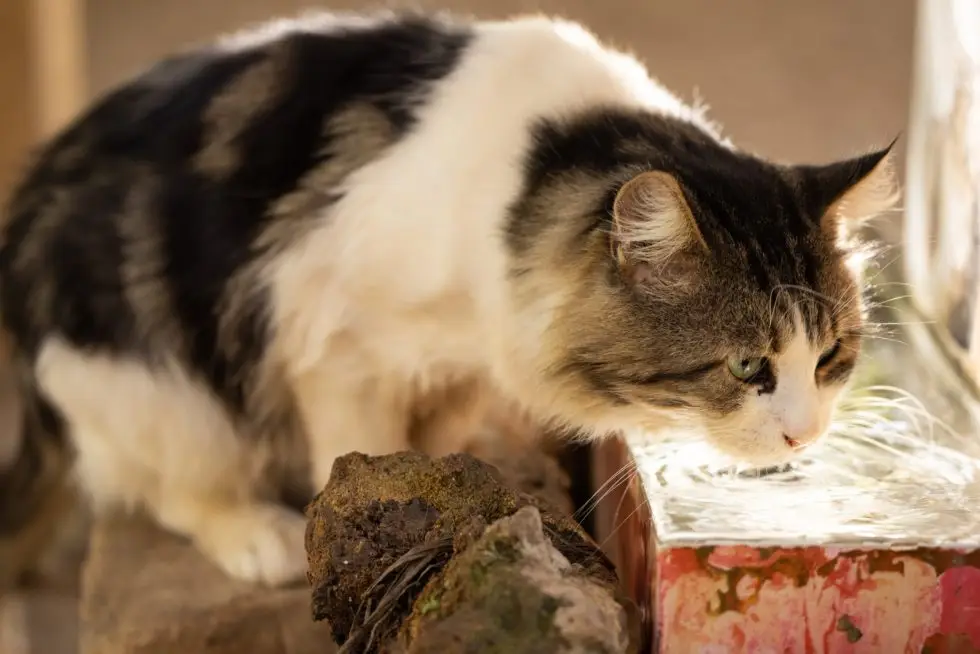
Cats are famously private about pain. They’ve been hiding vulnerability for thousands of years – it’s instinct, not stubbornness – which means that by the time a cat shows obvious signs of suffering, she has often been quietly struggling for a while. For owners of aging or ill cats, this can make an already heartbreaking situation feel even more uncertain.
How do you know when your cat is truly uncomfortable? How do you weigh the good days against the harder ones? And how do you make the most loving choices for an animal who doesn’t always make her needs obvious?
The Quality of Life Scale, developed by veterinary oncologist Dr. Alice Villalobos as part of her “Pawspice” end-of-life care program, offers a gentle, structured way to answer those questions. Modeled on the human end-of-life care approach, it gives cat owners and their veterinarians a shared framework for understanding what an aging or ailing cat is truly experiencing – and what can be done to help at every stage.
The 7 Factors – Seen Through a Cat’s Eyes
Each factor is rated on a scale of 0 to 10 (10 being the best). A combined score of 35 or above – an average of 5 in each area – generally reflects an acceptable quality of life. But even without scoring, understanding these seven dimensions can transform how you observe and care for your cat.
1. Hurt – Is Your Cat in Pain?
Cats are masters of masking pain, which makes this the most important factor – and sometimes the hardest to assess. Rather than crying out, a cat in pain may simply become quieter, withdraw to a hiding spot, stop grooming, or shift her posture. Breathing difficulty is a top-tier concern: a cat who is struggling to breathe even with support needs immediate veterinary attention.
What you can do: Learn the subtle signs of feline pain – a hunched posture, squinted eyes, flattened ears, or reluctance to jump. Ask your vet about proactive pain management. Staying ahead of pain is far more effective, and far kinder, than trying to treat it after a cat is already in distress.
2. Hunger – Is Your Cat Eating Enough?
Cats who stop eating can develop serious health complications quickly, including hepatic lipidosis (fatty liver disease), even after just a few days of very reduced intake. A cat who turns away from her food isn’t necessarily being picky – she may feel nauseated, have dental pain, or simply lack the appetite that illness can take away.
What you can do: Offer small amounts of gently warmed wet food, which is more aromatic and easier to eat. Try different proteins or textures. Hand-feeding not only helps get calories in – it keeps your bond strong during a tender time. If appetite loss continues, ask your vet about anti-nausea medication or appetite stimulants, which are commonly used in cats and can make a real difference.
3. Hydration – Is Your Cat Getting Enough Fluids?
Many cats – especially seniors – are already prone to under-drinking. Illness compounds this. To check for dehydration at home, gently pinch the skin at the back of your cat’s neck: it should spring back immediately. Slow return, or skin that stays tented, suggests she needs more fluids.
What you can do: Offer fresh water in multiple spots around the house. Many cats prefer running water – a pet fountain can significantly increase intake. Wet food is also an excellent source of moisture. For cats with chronic dehydration or kidney disease, subcutaneous fluids administered at home are a genuine game-changer. Many cat owners learn this technique and find it transforms their cat’s energy and comfort levels.
4. Hygiene – Is Your Cat Clean and Comfortable?
A cat who has stopped grooming herself is a cat who isn’t feeling well. Less mobile cats may also struggle to keep clean after using the litter box, or develop pressure sores from lying in one position too long.
What you can do: Step in gently where your cat can’t manage on her own. Soft brushing is soothing and keeps the coat from matting. Pet-safe wipes or a damp sponge can clean hard-to-reach areas. Soft, padded bedding – and regular repositioning if needed – helps prevent pressure sores. Check regularly at the hips and elbows, where sores tend to develop first.
5. Happiness – Does Your Cat Still Find Joy?
A happy cat – even a sick one – still has moments of engagement. She may purr when you pet her, watch birds through the window, track a moving object with her eyes, or seek out her favorite warm spot. A cat who has stopped responding, withdrawn completely, or shows no interest in anything she once loved is telling you something important.
What you can do: Think about what your specific cat has always enjoyed and find gentle versions she can still participate in. A cat who loved chasing a wand toy may now enjoy watching it move slowly from a comfortable resting position. Keep her bed near family activity so she doesn’t feel isolated. Quiet petting sessions and calm voices are deeply comforting to cats who are unwell. The purr – when it comes – is one of the most meaningful signs that your cat still feels safe and loved.
6. Mobility – Can Your Cat Get Around?
A cat doesn’t need to travel far, but she does need to reach her litter box, food, water, and a comfortable resting spot without pain or struggle. A cat who is falling, straining to move, or visibly reluctant to walk is experiencing mobility loss that deserves attention.
What you can do: Lower the entry of the litter box, or switch to one with a cut-out side. Place food, water, and bedding on the same level so she doesn’t need stairs. Ramps can help her reach favorite window perches. Ask your vet about pain medication or joint supplements – feline arthritis is far more common than many owners realize and is often very treatable. The goal is making sure your cat can meet her own needs with as little discomfort as possible.
7. More Good Days Than Bad – The Bigger Picture
Look at your cat’s week, or her month, as a whole. Are there more days when she ate reasonably well, purred, interacted, and seemed at ease? Or are the bad days – marked by vomiting, hiding, obvious distress, or refusal to eat – piling up?
What you can do: Keep a simple daily log. It doesn’t need to be elaborate – even a few words each day helps you see patterns that are hard to notice in the moment. Bring that log to your vet. It keeps you from relying on memory during emotionally charged appointments and gives you both real, concrete information to guide decisions.
When the Scale Points Toward the Hardest Decision
If your cat’s scores are consistently low, or the bad days have clearly overtaken the good, the Quality of Life Scale can help you begin the conversation about pet euthanasia – one of the most compassionate decisions an owner can make for an animal who is no longer able to live comfortably.
For many families in Northern Colorado, choosing in-home pet euthanasia means their cat gets to leave this world exactly as she lived – in her own space, in her own favorite spot, with the people she knows and trusts nearby. A mobile vet euthanasia service removes the stress of travel and the anxiety of a clinical environment entirely. There’s no carrier, no car ride, no unfamiliar sounds – just the quiet and comfort of home.
If you’re searching for at home pet euthanasia in Fort Collins or pet euthanasia in Greeley, an in home euthanasia service allows you to say goodbye on your own terms, at your own pace, with the full dignity your cat deserves.
Honoring Your Cat After Goodbye
Many families choose to keep a piece of their cat’s memory close through a paw print keepsake. Options typically include:
- Ink paw prints – a timeless, tangible impression made gently at the time of the visit
- Foam impression paw prints – a three-dimensional keepsake that captures every unique detail of your cat’s paw
- Digital paw prints – an actual paw print rendered in digital form, ready to print, frame, or use in a custom memorial piece
These keepsakes often become among the most treasured things a family holds onto. If you’re in the Fort Collins or Greeley area, ask about the ink paw print and foam impression options available through your in home pet euthanasia provider.
A Tool for Every Stage, Not Just the Last One
The Quality of Life Scale is not only for end-of-life decisions. It’s a caregiving tool that can help at every stage of a serious illness – helping you catch problems earlier, understand what’s working, and feel more confident in the choices you’re making along the way. Whether you’re managing a chronic condition, exploring end-of-life care, or beginning to think about vet euthanasia at home, it gives you and your veterinarian a shared language.
Your cat can’t tell you how she feels. But she shows you, every day, in a hundred quiet ways. The Quality of Life Scale helps you pay attention to those signals – with both clear eyes and a full heart.
Always consult your veterinarian for guidance specific to your cat’s health and diagnosis. The Quality of Life Scale is an educational tool, not a substitute for professional veterinary advice. If you’re in the Fort Collins or Greeley area and would like to learn more about in home pet euthanasia services, reach out to our team at Western Skies.